Wallpaper for Walls: How to Choose the Best Type for Every Living Area
Discover how to choose the best wallpaper for walls in South African living areas, with tips on wall condition, finishes, traffic, style and installation.
By Brightwall
Choosing the right wallpaper for walls is about far more than picking a pattern you love. In living areas especially, your walls do a lot of visual heavy lifting. They sit behind sofas, frame TV units, welcome guests, catch strong South African daylight and often connect to dining, kitchen or passage zones in one open-plan view. That means the best wallpaper for walls needs to suit both the look of the space and the reality of how the wall is used.
If you are still planning your home more broadly, start with Brightwall’s pillar guide, Wallpaper Ideas for Every Room: A Room-by-Room Guide for South African Homes. This article complements that bigger picture by focusing specifically on wallpaper for walls in visible living spaces: wall condition, material choice, finishes, traffic and how to create a polished result.
Introduction: Why choosing the right wallpaper for walls matters
How wall condition, natural light and traffic affect wallpaper performance
Not every wall behaves the same way. A smooth, properly prepared wall in a formal lounge may suit almost any design direction, while a previously patched family-room wall needs a more strategic approach. Bright natural light can make texture look beautiful, but it can also highlight bumps, roller marks and old repair lines. In busy homes, circulation near entrances, corners and seating areas can also affect which wallpaper types feel most practical.
Why living areas need a balance of durability, finish and visual impact
Wallpaper for living areas should feel considered from every angle. In a lounge or open-plan entertaining zone, the wallpaper is often visible for long stretches of the day, not just in a quick passing moment. That is why finish matters as much as colour and pattern. A design may need to soften a large expanse of wall, create a focal point behind a sofa, or introduce enough movement to make everyday scuffs less visually obvious.
How this guide complements a full room-by-room wallpaper planning approach
Rather than moving room by room, this guide helps you choose wallpaper for walls based on application: smooth walls, patched walls, high-visibility walls and high-traffic family areas. It is the practical decision-making layer between inspiration and ordering.
What to consider before choosing wallpaper for walls
Check whether the wall is smooth, newly painted, imperfect or previously patched
Before you compare wallpaper types, look closely at the wall itself. Is it freshly painted and level? Does it have hairline imperfections, filler marks or visible patching from previous electrical or shelving work? Wallpaper for smooth walls can be almost any style, but wallpaper for textured walls or repaired walls usually benefits from designs that visually soften those flaws rather than spotlight them.
Think about visibility: feature wall, open-plan backdrop or full-room application
A single statement wall behind a sofa needs a different design intensity to a wallpaper that wraps across multiple walls. In open-plan living, one wall may act as a backdrop to the entire ground floor, so subtlety can often go further than a busy motif. In a compact snug or reading corner, however, stronger colour and pattern can make the wall feel intentionally dramatic.
Factor in South African conditions such as sunlight, dust and everyday wear
South African homes often have generous natural light, stack-back doors and indoor-outdoor flow. That is beautiful, but it also means surfaces are exposed to sunlight, dust and regular day-to-day use. In a family setting, wallpaper for lounge walls should look good from morning through evening, feel resolved next to timber, stone or tiled finishes, and suit the practical rhythm of the home.
Best wallpaper types for smooth, well-prepared walls
When peel and stick wallpaper works well
On smooth, well-prepared walls, Brightwall’s materials give you flexibility. Classic Peel and Stick and Smeriglio Peel and Stick can be especially useful when you want a cleaner, streamlined installation route on suitable surfaces. They work best when the wall is even, dry, properly cured and free of flaking paint or chalky residue. If you want more installation guidance, see the Peel and Stick Wallpaper Installation Guide.
When paste-the-wall wallpaper is the better long-term option
For many permanent residential applications, especially larger living spaces, Kalahari Sand can be an excellent option when you want a premium decorative finish paired with a more traditional wallpaper installation method. If you are comparing wallpaper finishes and application styles, the article Wallpaper Materials Explained: Choosing the Right Finish is worth reading before you order, along with Brightwall’s Paste-the-Wall Wallpaper Installation Guide.
How clean wall preparation improves finish and adhesion
Even the best wallpaper for walls will only look as polished as the surface beneath it. Smooth plaster, a properly cured paint base, and careful cleaning all help improve the final appearance. Subtle designs are especially dependent on preparation because they do not hide unevenness as easily.
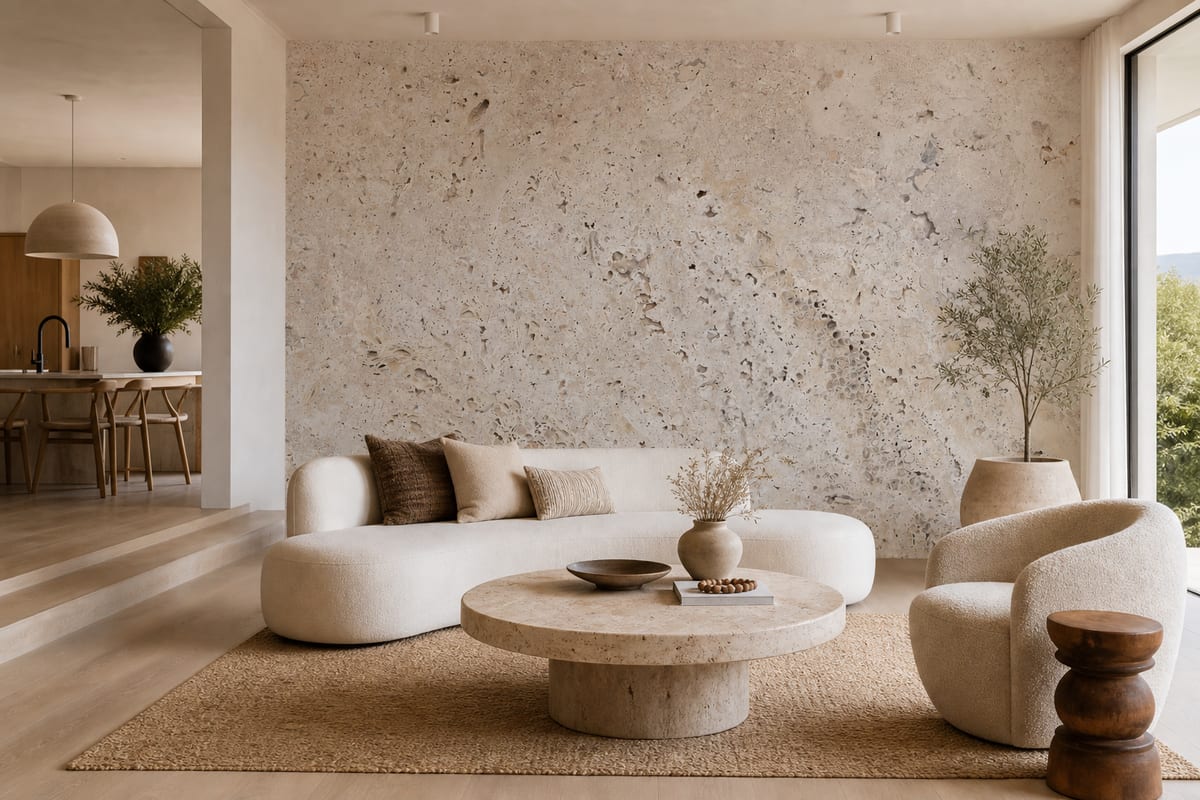
Light Travertine Texture is a strong example of this approach: understated, textural and elegant, ideal for a broad wall where you want a calm architectural backdrop rather than a loud statement.
Choosing wallpaper for walls with minor imperfections
Why certain textures, patterns and darker tones can soften uneven surfaces
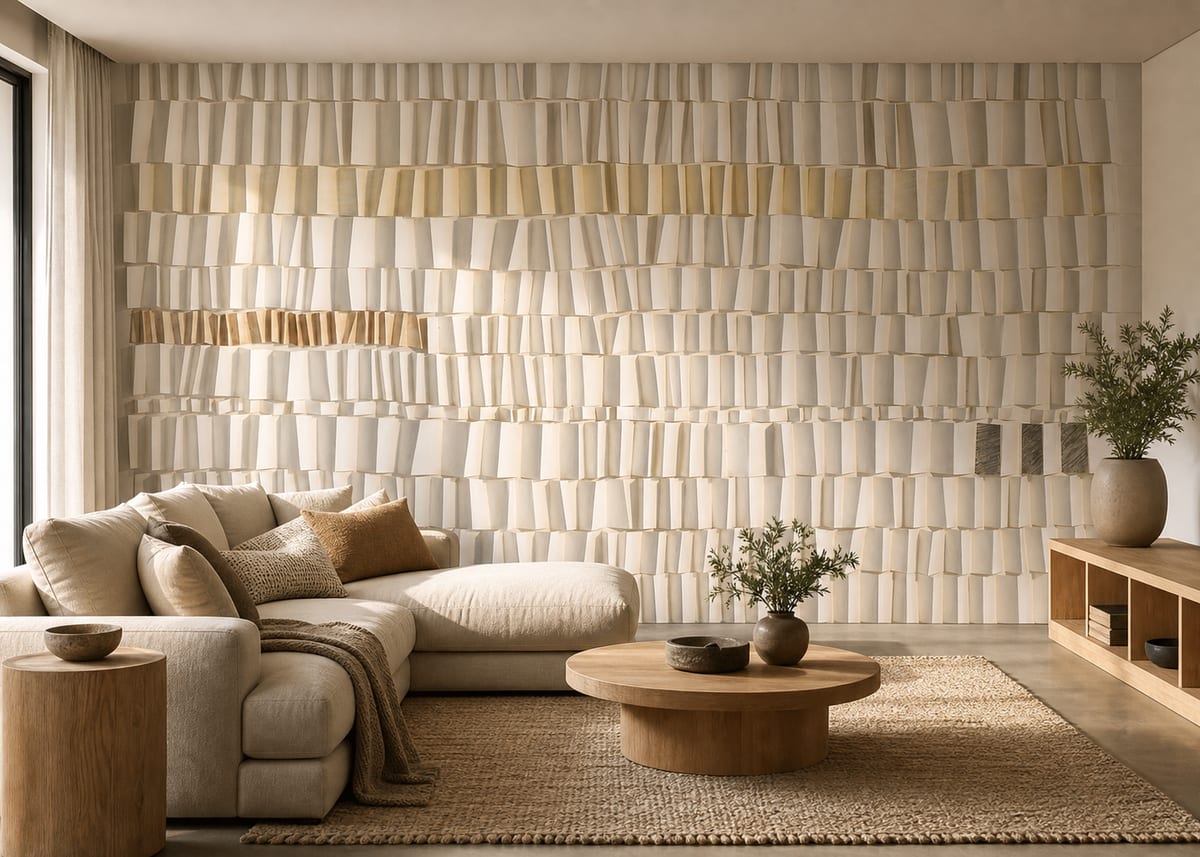
If your wall has minor patching, subtle waviness or old repair marks, avoid ultra-flat, plain finishes that reveal every detail. Instead, look for pattern, tonal variation or visual texture. These elements help break up the eye’s focus so the wall reads as designed rather than flawed.
When murals or large-scale designs help distract from patched areas
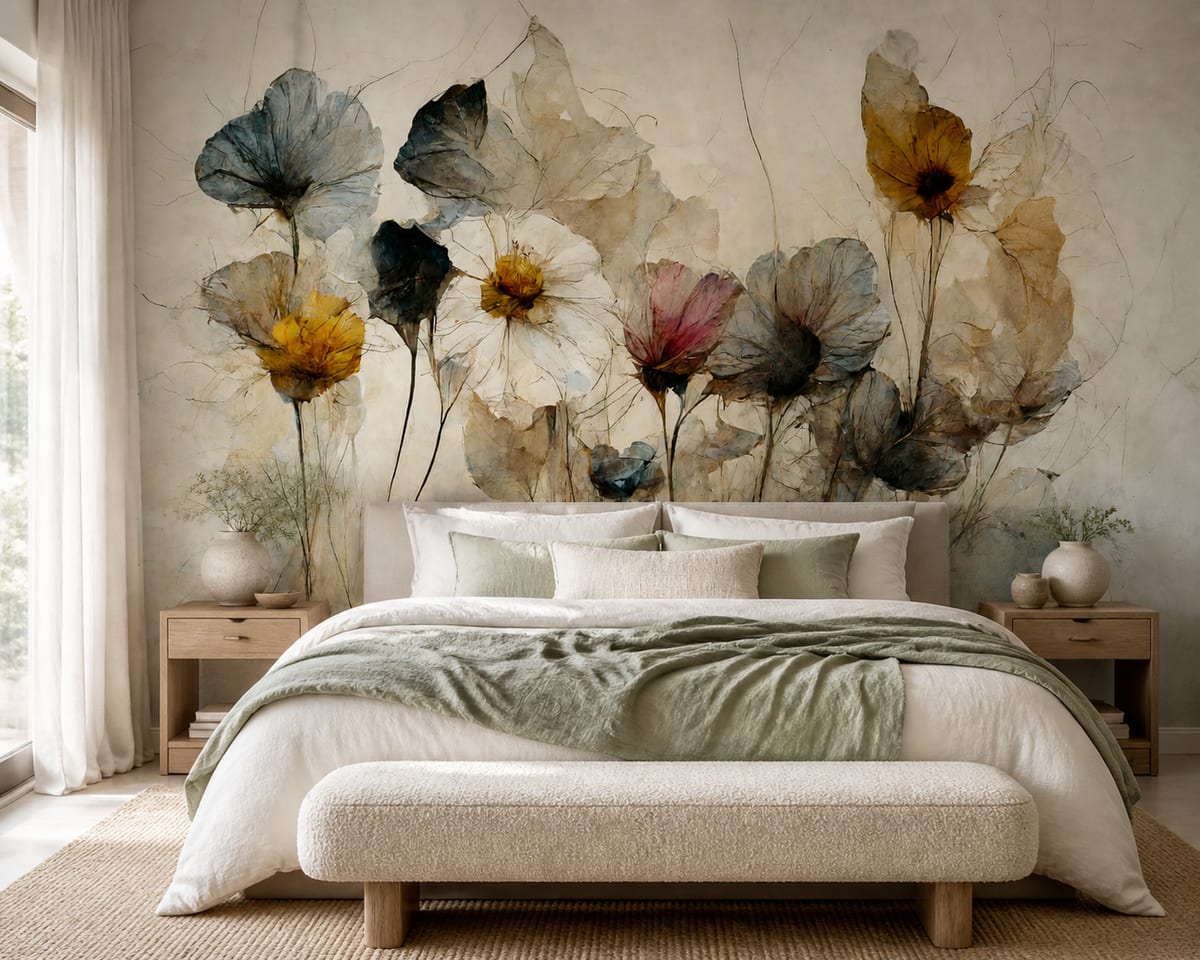
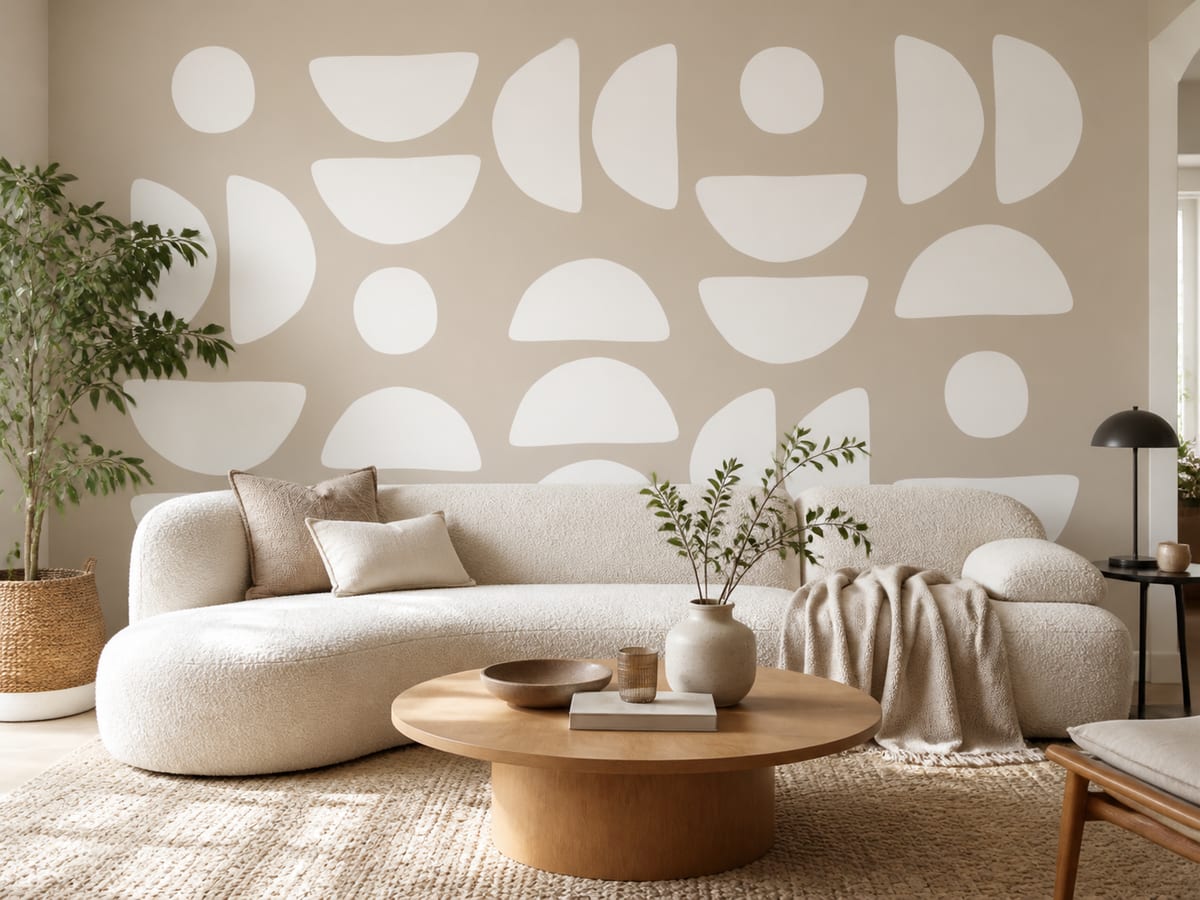
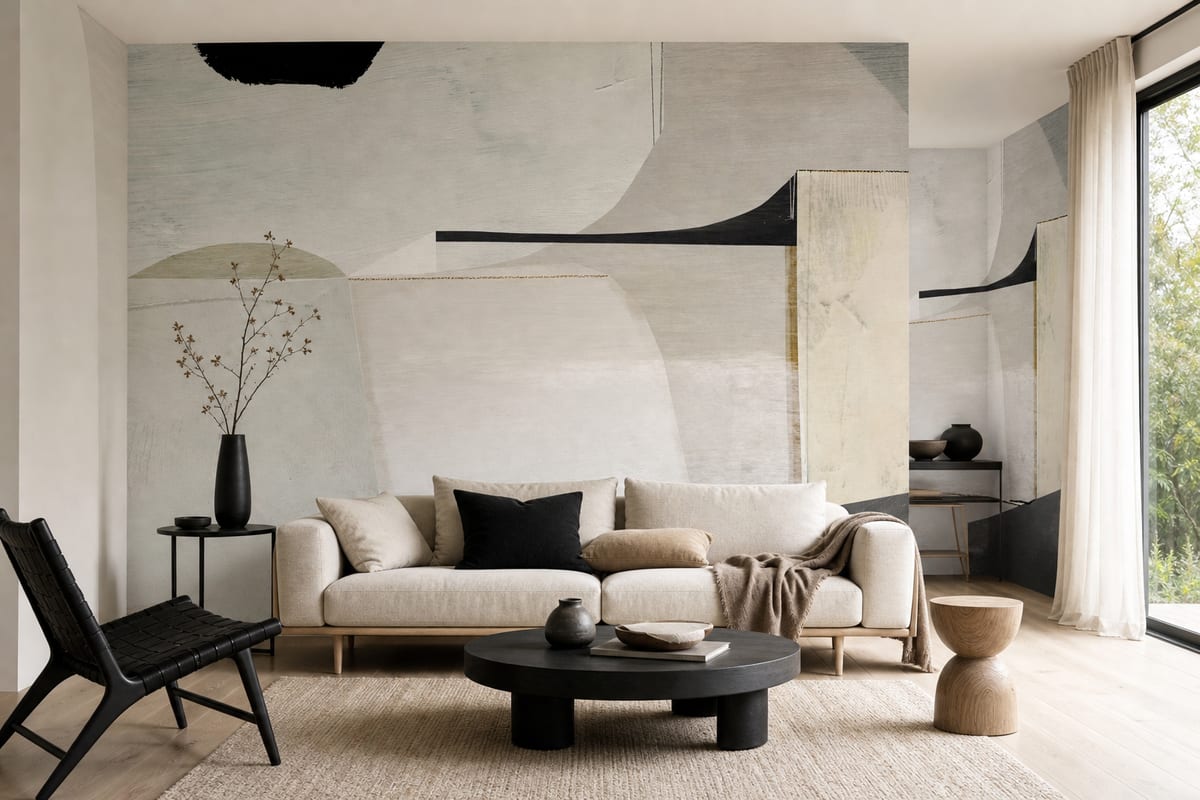
Larger motifs can also be surprisingly useful. Instead of drawing attention to one imperfect spot, a mural or broad abstract pattern gives the eye a bigger visual story to follow. Layered geometrics, washed textures and tonal abstract designs are often more forgiving than tiny, rigid repeats on imperfect walls.
When wall preparation is still necessary before installation
Wallpaper can help visually disguise minor flaws, but it is not a substitute for proper wall preparation. Raised filler ridges, loose paint, damp issues or heavily textured surfaces should still be addressed first. If you are unsure how much to order after preparing a wall, use How to Measure and Order Wallpaper Murals: A Step-by-Step Guide before placing your final order.
Wallpaper for high-visibility living spaces
How to choose wallpaper for walls in lounges, TV areas and open-plan entertaining zones
In highly visible zones, wallpaper should feel intentional from a distance and elegant up close. Think about what the wall is doing: is it anchoring the main sofa, framing a TV area or greeting guests as they enter an open-plan space? In these settings, a design with composure and scale often feels more premium than something overly busy.
Best finishes for statement walls that photograph beautifully and feel premium
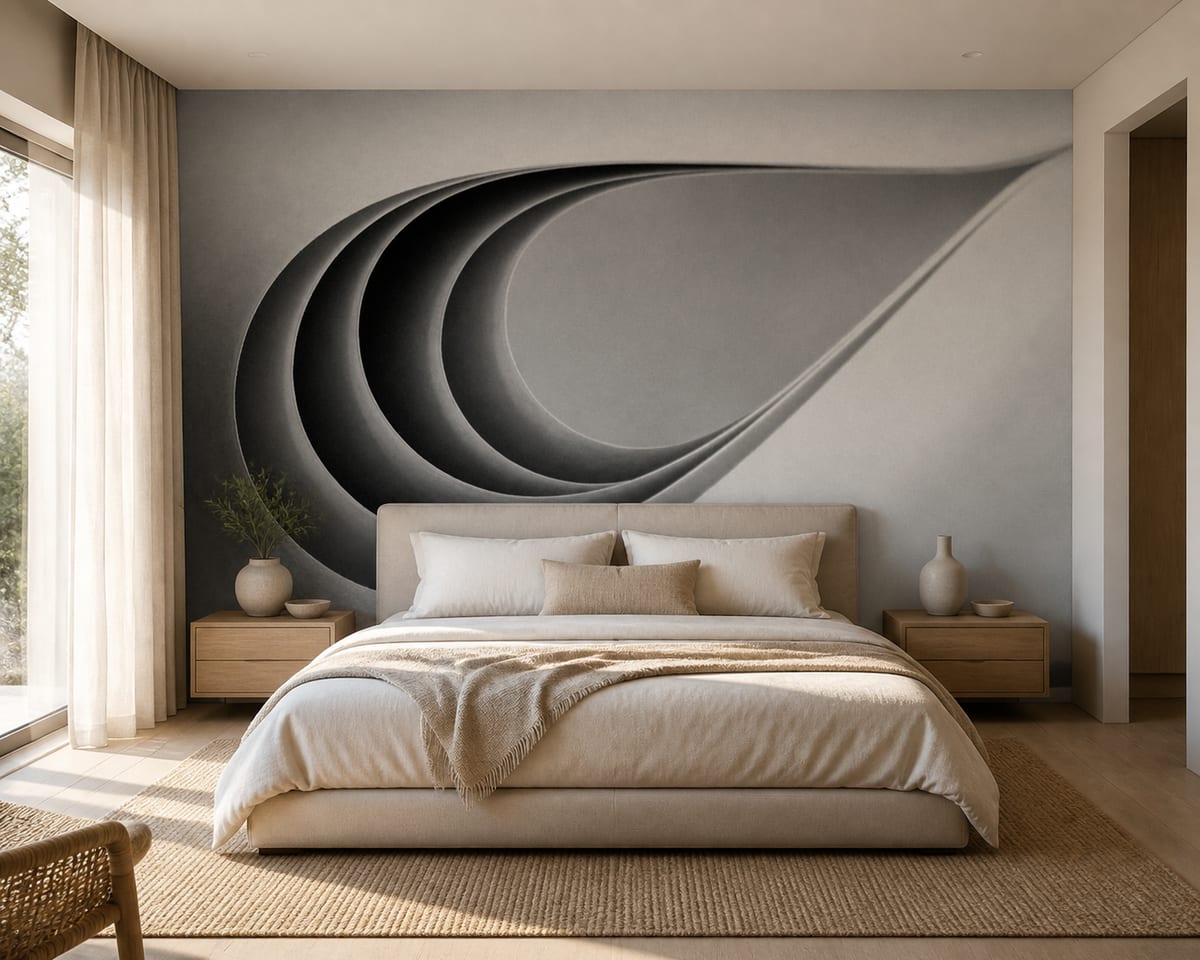
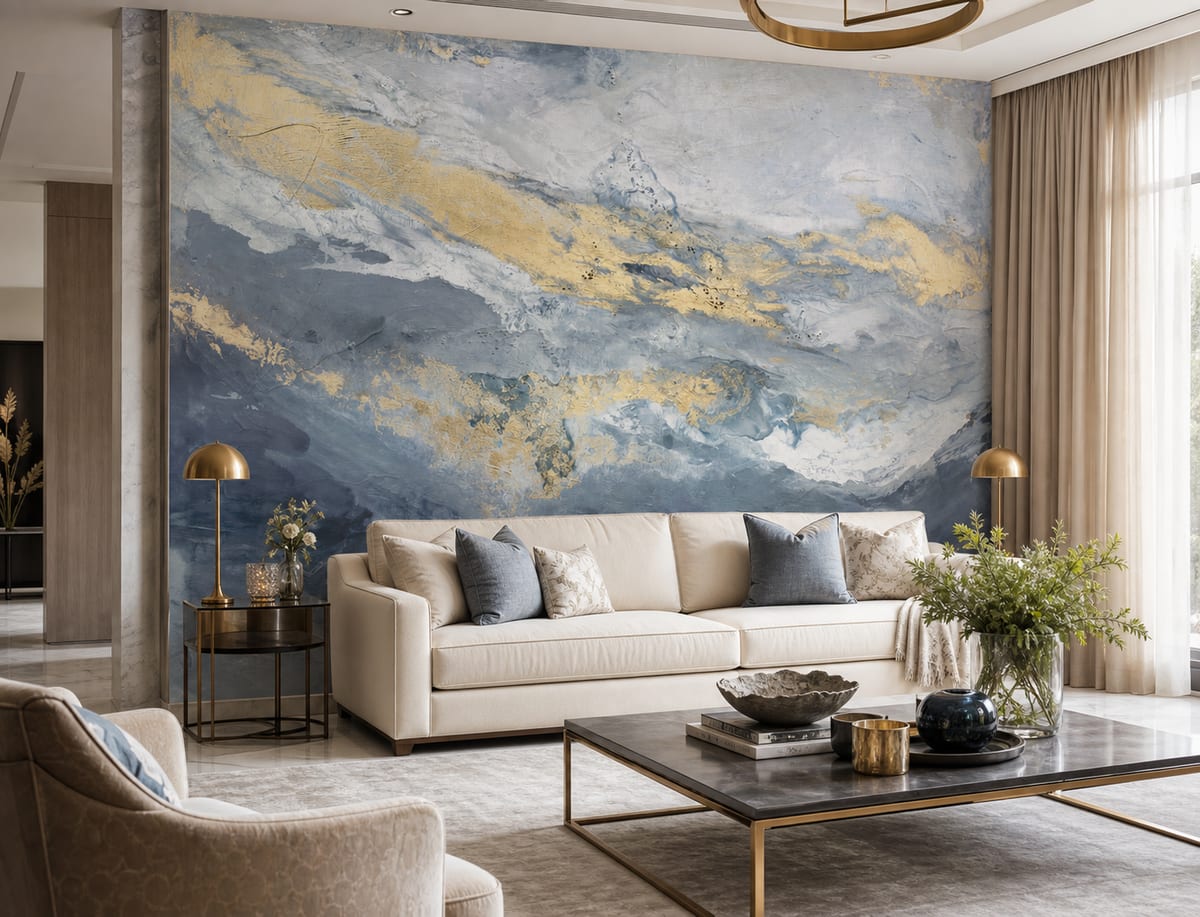
Fluid abstracts, sophisticated stone looks and soft metallic colour stories work well in entertaining spaces because they create depth without visual clutter. These are the kinds of wallpaper finishes that lift a room in person and also look striking in photographs.
How scale and pattern repeat affect large, uninterrupted walls
Large walls need breathing room. Small repetitive prints can sometimes feel busy when stretched across long surfaces, while large-scale or flowing compositions often read more confidently. For more ideas specific to lounges and entertaining zones, read How to Choose the Perfect Wallpaper for Your Living Room.
Wallpaper for high-traffic walls and everyday family areas
Where scuffs, fingerprints and movement matter most
Family rooms, informal lounges and circulation edges near passages or sliding doors tend to pick up more contact. These are spaces where pristine minimalism may not always be the easiest fit. Wallpaper for feature walls in active zones should still feel beautiful, but a little visual energy can help the room stay looking composed between touch-ups and cleans.
Why practical material choice matters in busy circulation zones
This is where material selection and wall placement work together. Choosing the right substrate from the outset helps you avoid costly mistakes, especially if the wall is large or busy. Brightwall’s material guide is the best place to compare how Classic Peel and Stick, Smeriglio Peel and Stick and Kalahari Sand suit different wall conditions and installation preferences.
How to balance design impact with easy maintenance
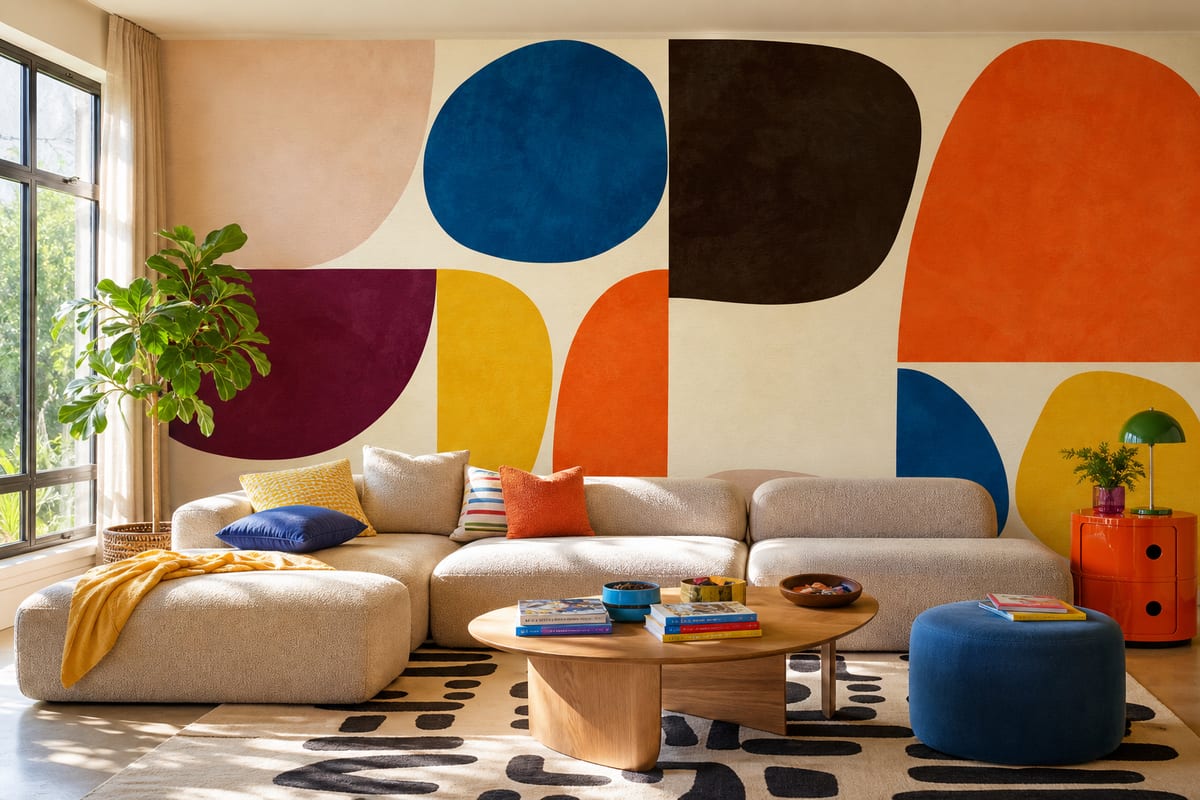
In a family-focused area, pattern can be your ally. Mid-tone colour, layered abstract forms and bolder geometry can visually absorb day-to-day life better than flat, unbroken colour fields.
How colour, pattern and finish change the feel of a wall
Using light tones to open up smaller living areas
Pale neutrals, stone effects and soft washed textures can make a compact lounge or apartment living space feel more open. They reflect daylight gently and create a layered backdrop without closing the room in. This is one reason subtle wallpaper for walls is so effective in smaller open-plan homes.
Using moody or bold wallpaper to anchor larger spaces
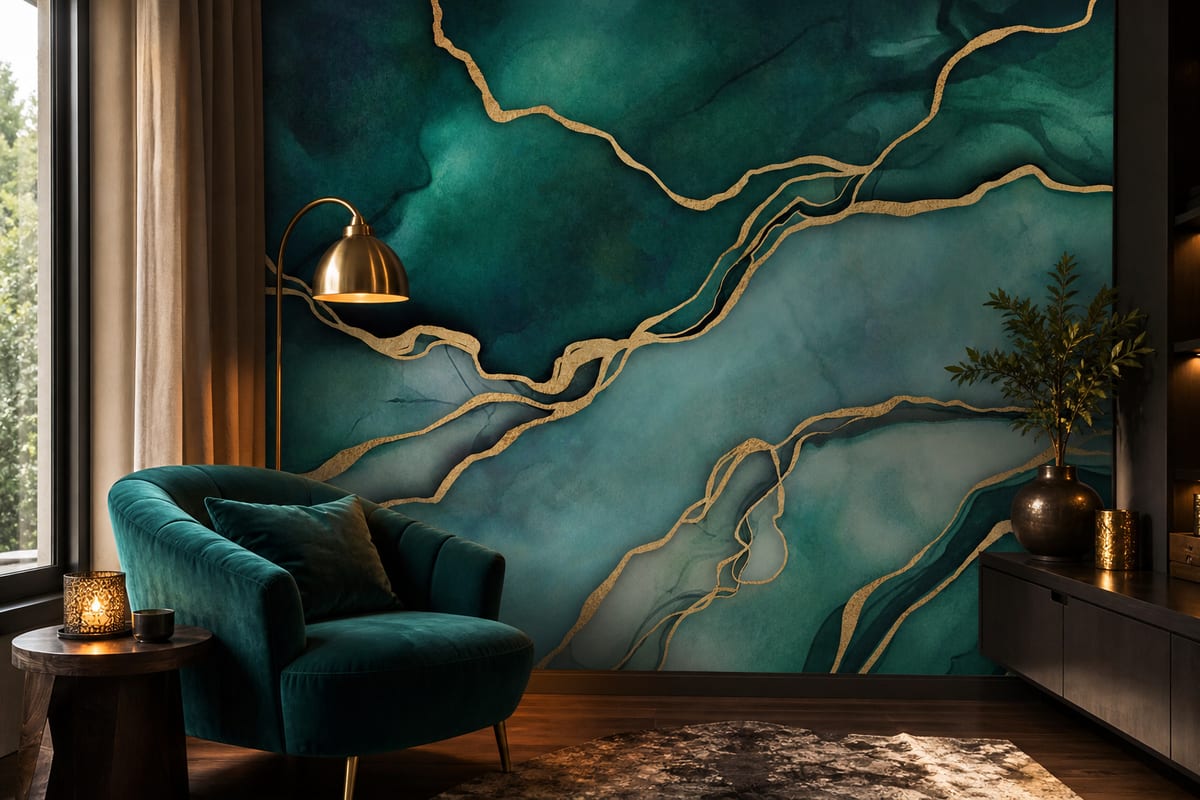
On the other hand, larger rooms can benefit from contrast. Deep tones help anchor oversized walls and give expansive spaces more intimacy. If you are drawn to richer palettes, Brightwall’s trend article 2026 Interior Wall Trends: Moody Tones and Botanical Statements offers useful inspiration.
Matching botanical, abstract or minimalist styles to the wall’s purpose
Think about the role of the wall before choosing style. Minimal textures suit broad backdrops. Abstracts work beautifully for statement walls. Botanical and organic designs can soften modern architecture. If you want to browse by mood, scale or theme, explore all Brightwall collections.
Feature wall or full-room wallpaper: which is best?
When one statement wall is enough
A feature wall is often the right answer when the room already has strong furniture, open shelving, a fireplace or a TV zone that needs visual grounding. It lets the wallpaper shine without competing with every surface in the room.
When full-room wallpaper creates a more immersive result
Full-room wallpaper can be especially effective in quieter, more edited interiors where the walls are intended to create atmosphere rather than contrast. This approach works well with softer palettes, restrained geometrics and tonal texture-led designs.
How to choose based on layout, furniture placement and ceiling height
If one wall is clearly dominant, start there. If the room has balanced walls, higher ceilings and a simpler furniture plan, wrapping more surfaces can feel cohesive and luxurious.
How to choose the right Brightwall material for your walls
When to choose peel and stick versus paste-the-wall
If your wall is smooth, prepared and suited to self-adhesive application, Classic Peel and Stick or Smeriglio Peel and Stick may be the right fit. If you prefer a paste-applied route for a more permanent decorative finish, Kalahari Sand may be the better choice. The key is matching the wallpaper type to the actual wall condition, not just to the design you like most.
Why reading the materials guide prevents costly mistakes
Many wallpaper issues begin before installation, when the wrong material is selected for the wall. Reading the substrate information first helps you plan with confidence and gives you a clearer sense of what your chosen wallpaper finishes will look like in the space.
Why correct measuring and installation planning matter for a polished finish
Measuring accurately, checking wall condition and following the correct installation steps all contribute to a better end result. This matters even more on large, open-plan walls where alignment and finish are highly visible.
Conclusion: Choose wallpaper for walls with confidence
Start with wall condition and room use before choosing design
The best wallpaper for walls starts with the wall itself. Look at smoothness, preparation, natural light, traffic and whether the space needs a subtle backdrop or a stronger focal point. Once those practical questions are answered, choosing style becomes much easier.
Use the broader room-by-room guide for the next step in planning your home
If you are planning beyond the lounge or living area, return to Brightwall’s full guide to wallpaper ideas for every room for a room-by-room next step.
Explore Brightwall collections for styles that suit South African living spaces
Whether you want understated stone texture, bold abstract movement or a practical patterned wall for family living, the right South African wallpaper choice comes down to matching design with wall condition and everyday use. Explore Brightwall’s collections to find wallpaper for living areas, wallpaper for open plan living and wallpaper for feature walls that feel beautifully suited to your home.
Frequently asked questions
What is the best wallpaper for walls in living areas?
The best wallpaper for walls in living areas depends on the wall condition, how visible the space is, and whether the area is formal or family-focused. Smooth, well-prepared walls can suit subtle textures or statement murals, while patched walls often benefit from pattern or tonal movement that softens imperfections.
Is peel and stick wallpaper a good choice for lounge walls?
Peel and stick wallpaper can work very well on suitable smooth, prepared walls. Brightwall’s Classic Peel and Stick and Smeriglio Peel and Stick are best considered when the wall surface is correctly prepared and appropriate for self-adhesive installation.
Can I use wallpaper on walls with minor imperfections?
Yes, but it is best to choose designs with texture, pattern or tonal variation. These can help visually soften minor flaws. Major surface issues should still be repaired before installation.
Should I choose a feature wall or wallpaper the whole room?
A feature wall is often ideal when one wall naturally anchors the room, such as behind a sofa. Full-room wallpaper works well when you want a more immersive effect and the design is subtle enough to wrap the space comfortably.
How do I choose between Brightwall materials?
Start by assessing your wall condition and installation preference. Then compare Brightwall’s active materials, including Classic Peel and Stick, Smeriglio Peel and Stick and Kalahari Sand, using the Materials & Substrates page before ordering.
Ready to transform your walls?
Browse thousands of designs or upload your own — printed to your exact dimensions and delivered across South Africa.